

issue

inhumane breeding

background

message

terms

tax revenues

facts

pet stores

reputable breeders

commercial breeders

breeder: kathy bauck

auctions

dealers/brokers

veterinarians

hoarders


  issue > inhumane dog and cat breeding


Minnesota is among the top producers of puppies in the United States. Kittens, too, are mass-produced in Minnesota.

Due to no State licensing of the dog and cat breeding industry, it is difficult to report the total number of breeders in Minnesota. It is fair to say, however, that there are primarily two types of breeders: Reputable breeders and unscrupulous or substandard breeders.

For a better understanding of this issue, read definition below and view videos/photos. Or go to videos.


Definition

Unscrupulous or substandard dog and cat breeders create inhumane breeding conditions that result in serious harm and suffering to animals.

Unlike reputable dog and cat breeders who care and invest in an animal's well-being, unscrupulous and substandard breeders view dogs and cats as ‘products’ to be mass produced for profit. Breeding is defined solely as a business. The more puppies and kittens produced, the greater the sales. Therefore, for these type of breeders, quantity of dogs and cats is the goal — not quality or health of each animal’s life.

As this is a primary source of income for these breeders, they and their supporters consider this form of breeding to be “free enterprise” or “making a fair living.” Puppies and kittens are commodities to be sold to pet stores or other companies (via brokers) or directly to consumers from the Internet or through classified ads. Adult breeding dogs or cats are bred continuously, often caged their entire lives (6, 8 or up to 10 years) until they are of no use and then killed, sold at auction or retired (e.g., kept within the facility, sold at discounted prices or give to rescue groups).

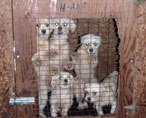
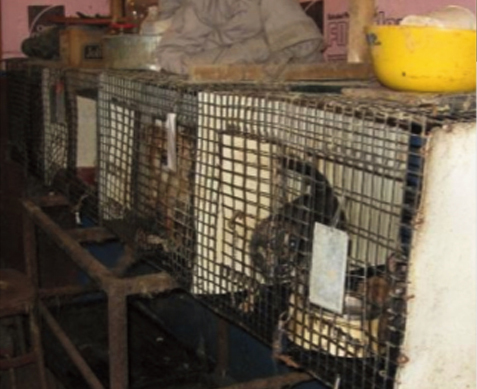
Dogs and puppies or cats and kittens are housed in overcrowded, often filthy cages where many of the animals become physically sick or are in-bred, passing on genetic diseases. Even if sanitation standards were met, high volume breeders ‘save money’ by having fewer employees, contributing to behavioral issues because the animals have limited or no human contact, exercise and socialization. To increase profit margins and save even more money, corners are cut in operations, such as providing minimal veterinarian care, poor quality or limited food, and no bedding or protection from heat or cold.

Consumers are often unaware of these breeding conditions or physical and psychological health issues, and buy based on how “cute” the animal looks.

This is unregulated commerce, where, as with other unregulated industries, certain individuals and businesses act irresponsibly and are not held accountable. The unique difference with the dog and cat breeding industry is the fact that the 'product' is life, not an inanimate object.


For further details, please visit background and message.


©2011 Animal Folks Minnesota - Home - Contact    


"));